novel-to-game
zenstory-ai · zenstory-ai/novel-to-game
Bộ skill tác nhân này giúp chuyển thể tiểu thuyết thành trò chơi có thể chơi được bằng cách tạo tài liệu thiết kế, xây dựng cho các runtime mục tiêu và cung cấp QA dựa trên bằng chứng.
Các kỹ năng agent để chuyển thể tiểu thuyết thành game (小说改编游戏 / story to game) dựa trên nguồn gốc: tài liệu thiết kế được trích dẫn, bản dựng cho runtime mục tiêu, QA dựa trên bằng chứng. Ba ví dụ có thể chơi trên trình duyệt. Dành cho Claude Code, Codex và Kimi Code.
Xem kết quả thực tế
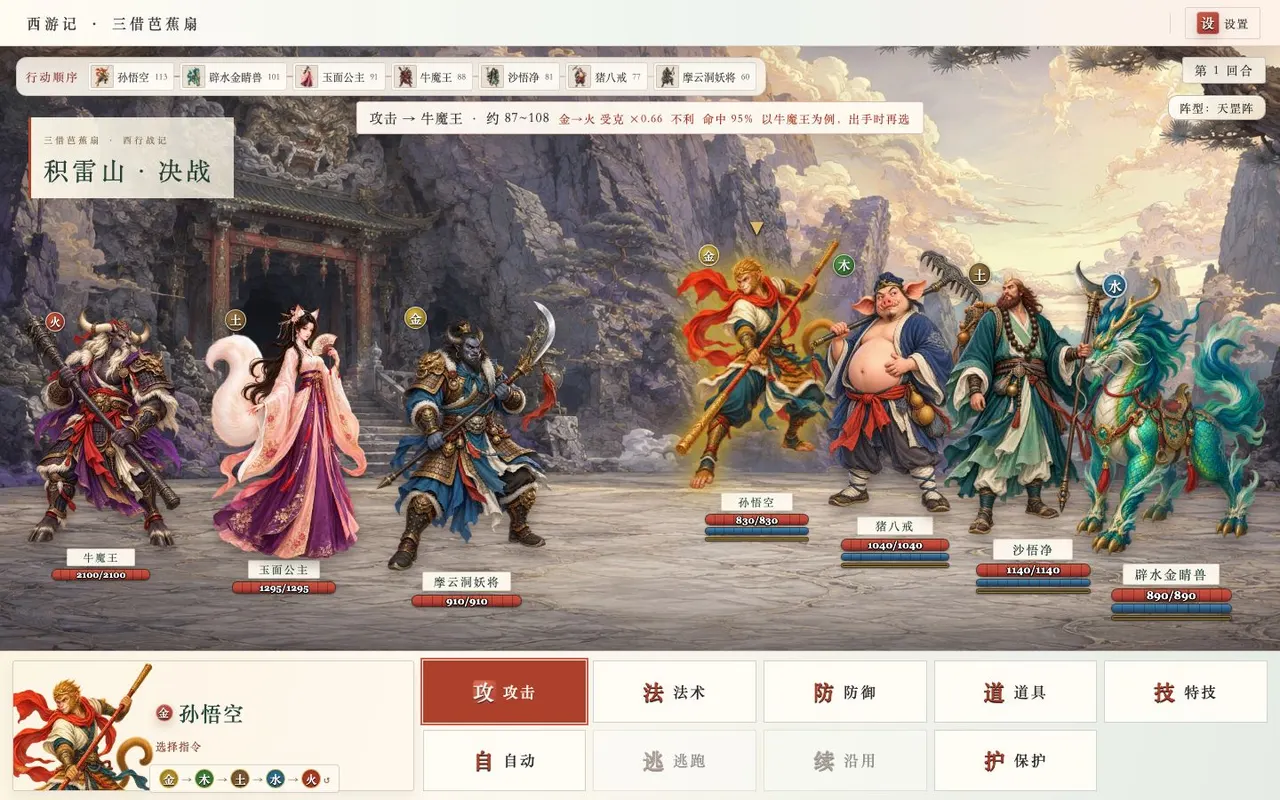
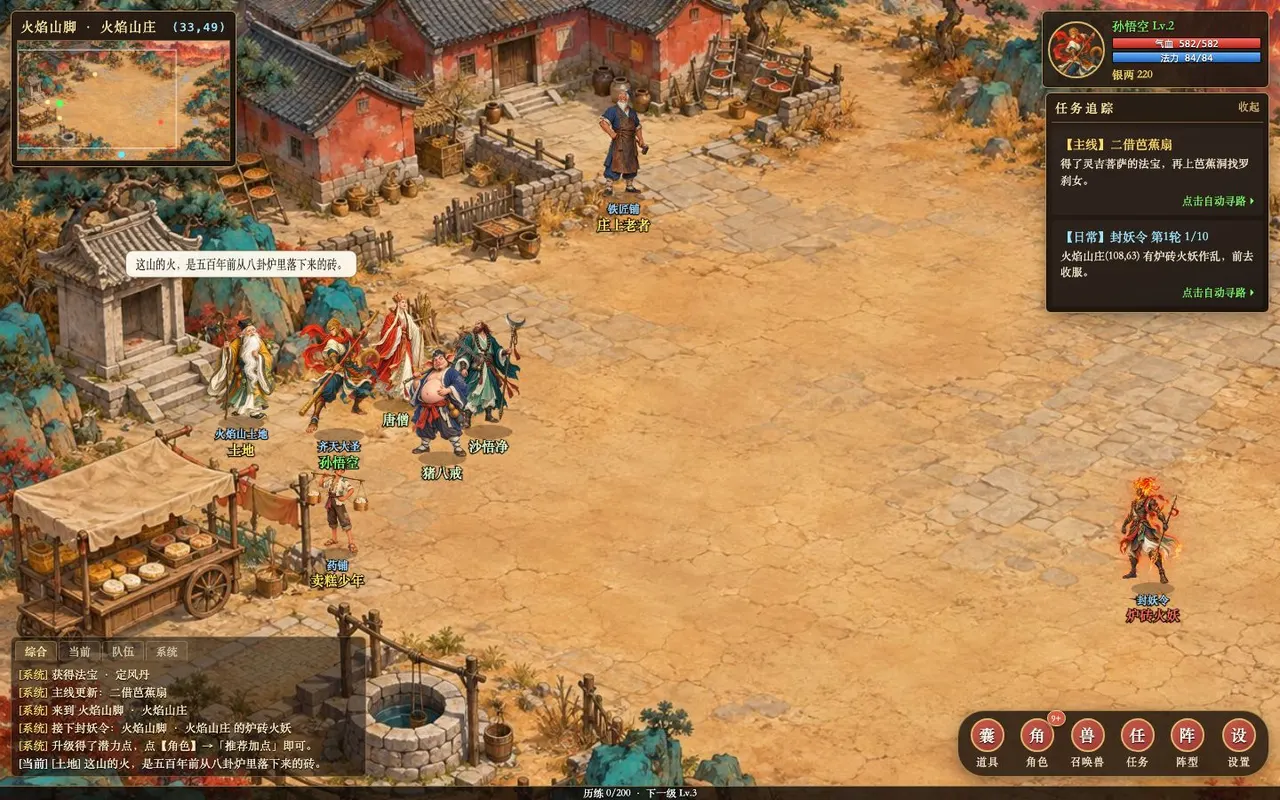

Ảnh từ README của tác giảGiao diện chiến đấu theo lượt cho trò chơi chuyển thể Tây Du Ký
Ảnh từ README của tác giả zenstory-ai ·Nguồn
Bạn có thể làm gì với nó
- Chuyển thể một câu chuyện ngắn thành một game RPG có thể chơi được trên trình duyệt.
- Tạo tài liệu thiết kế game và chỉ đạo nghệ thuật từ cốt truyện của tiểu thuyết.
- Tự động xây dựng và QA một bản mẫu game dựa trên tài liệu gốc.
Kiểm tra an toàn
Không thấy dấu hiệu rủi ro trong các file đã quét.
Quét tự động các file trong repo. Luôn xem lại code trước khi chạy.
Trích từ README
NovelToGame
A source-grounded novel-to-game workflow: adaptation design, target-runtime builds, and evidence-based QA.
Project page · Install · See what it produces · 中文
NovelToGame is seven open-source skills for the coding agent you already use (Claude Code, Codex, or Kimi Code). Give it a novel and, if you have one in mind, a target platform or engine. It reads the whole book, chooses a game direction it can defend, designs the world and the look, builds for the runtime the brief locks, and proves the build plays in one recorded run. You get a playable build at the finish level you asked for, plus the design documents behind it. The three examples below are browser games and include links to their playable builds.
Play Online
Each game links to the adaptation workspace behind it: source provenance, the concept and the directions it rejected, game and art direction, runnable source, and the QA record from the playable path.
Journey to the West · Three Borrowings of the Banana Fan
One wave of a fan blew you fifty thousand li. Walk back, take the quest, and win the mountain one turn at a time.
A Fantasy Westward Journey-style turn-based RPG built on chapters 59–61. Click to walk four painted scene maps, find the NPCs marked "!", let the quest tracker auto-path you there, and take the repeatable demon-bounty daily between story fights. Earn experience and silver, shop, swap gear, study skills and field a pet; then win command-turn battles with the five-element wheel, rage stunts and Wukong's seventy-two transformations, until a demon king who outclasses you ends as rain over the Mountain of Flames.
Play in browser · Adaptation workspace · design estimate: 45–90 min · all ages · playable prototype
Jin Ping Mei · Ledger of Desire
That spring, five doors kept a lamp lit for you. Whatever you say, they remember.
A galgame-style romance ADV set in the Ximen household the spring after Li Ping'er marries in. A common route puts all five women at one table, in one night of rain and at one Qingming feast; what your choices build with each of them decides which courtyard doors are still lit on the night the routes split. Each of the five heroine routes has a good, an ordinary and a missed ending (16 endings, counting the one where no lamp is left), and every heroine ending turns to a fixed page of what the novel does to her (the no-lamp ending turns to Ximen Qing's death and the household scattering). Auto, read-only skip, backlog, hide, quick save, thumbnail saves and rollback are there, with a CG gallery, scene replay, music room and ending flowchart.
Play in browser · Adaptation workspace · design estimate: 20–30 min per route, 1–1.5 h for all five · 18+ · playable prototype
Project Plateau · The Lost World · 3D
A real-time first-person 3D field-photography game adapted from Arthur Conan Doyle's The Lost World. Under a low western sun, walk out from Fort Challenger through knee-high grass, keep to a band of thorn arches for cover, and expose four glass plates through a long lens. Each plate is graded on the spot from what the live camera actually framed, with stamps and a line from the sceptical Summerlee. A pterodactyl circles before it dives, a stegosaurus may come down to drink at the brook, and you have 300 seconds of light to bring the plates back.
Play the full expedition on desktop, or watch the 15-second gameplay preview on other devices. It is a real capture of the current build.
https://github.com/user-attachments/assets/5ad62a58-1abe-4d73-b86e-1c8c6563fdb2
Play in your browser — no install · Adaptation workspace · Share feedback · design estimate: 5–10 min (300 s of light per run) · desktop WebGL2 · playable prototype
What it is
The skills run on your coding agent's model and organize adaptation into stages. Each stage owns a document, with source evidence separated from design choices:
- Key source facts carry citations. Analysis reads the whole book and writes a
SOURCE_BIBLEwhere every hard rule, key character goal, turning point and ending, and signature anchor carries its chapter or file location, and every adaptation-boundary row cites its evidence. Source facts are labelledimmutable,adaptable,open, orconflicted; anything the novel does not define is marked a design invention, never smuggled in as fact. - The game shape is a documented decision, not a default. The concept stage compares real alternatives and kills directions with named hard vetoes (the core loop ignores the novel's central tension; strip the proper nouns and a generic template remains; the player only spends resources to release a fixed plot). Concept, world design, and art direction are written by different stages into different documents, and the build may not quietly redesign them.
- A borrowed genre comes with its shell. Players recognise a genre by more than its core mechanic, so a systems game lists which parts of the genre's shell (entering the world, objective guidance, progression and reasons to return) it implements, degrades, or drops and why, and what the first minute shows. A Fantasy Westward Journey-style RPG is not shipped as a bare chain of fights.
- Built for the runtime the brief locks. The product brief, the one-page requirements sheet the agent drafts first (in
quickit stops for your decision only on blocking items such as platform, rights, or adult content), locks platform, engine, target runtime, and the runtime actually available for testing. A missing toolchain may not silently become a web build. The design documents are engine-